
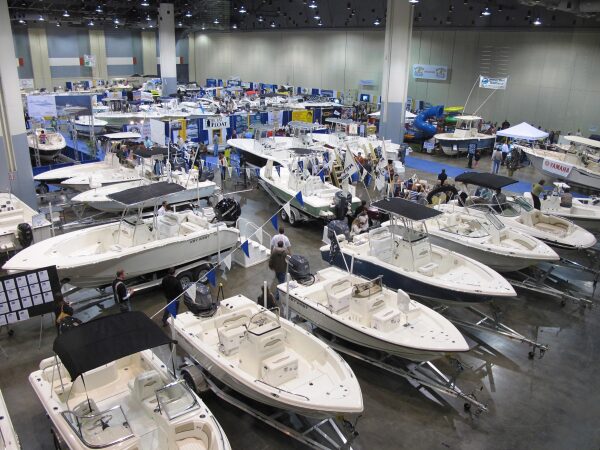
Ultimate guide for your perfect boat buying experience.
How to Select the Right Boat: The Complete Guide for New and Experienced Boaters
When choosing your perfect boat, it can be one of the most important decisions a boater can make. The boat you buy determines where you can go, what activities you can enjoy, and how much time and money you’ll invest in maintenance and operation. With so many boat types, hull designs, and propulsion systems available, the process can feel overwhelming — especially for first‑time buyers.
This guide from Boat‑HQ.com breaks down everything you need to know to select the right boat for your lifestyle, budget, and local waters.
1. Identify Your Primary Boating Activity
The best boat for you depends on how you plan to use it. Every boat is designed with a specific purpose in mind.
Popular boating activities
- Fishing: Center consoles, bay boats, bass boats, jon boats
- Family cruising: Bowriders, deck boats, pontoons
- Watersports: Ski boats, wake boats
- Offshore boating: Deep‑V center consoles, walkarounds
- Overnight trips: Cabin cruisers, trawlers, sailboats
- Shallow‑water exploring: Flats boats, skiffs
Trying to find a “do‑everything” boat usually leads to compromises. Pick the activity that matters most and choose a boat built for that purpose.
2. Match Your Boat to Your Local Waters
Where you boat is just as important as how you boat.
Boat types by water conditions
- Lakes & calm rivers: Bowriders, pontoons, deck boats
- Bays & intracoastal waterways: Bay boats, center consoles
- Offshore ocean waters: Deep‑V hulls, twin‑engine setups
- Shallow flats: Skiffs, flats boats, jon boats
A boat designed for offshore seas will feel sluggish in shallow water, while a flats boat will struggle in ocean chop. Choose a hull that fits your environment.
3. Choose the Right Size and Capacity
Boat size affects comfort, safety, storage, and cost.
Key considerations
- Passenger capacity: How many people do you regularly bring
- Storage: Gear, coolers, tackle,safety equipment
- Towing: Can your vehicle tow the boat
- Storage: Trailer, garage, marina slip
- Handling: Larger boats ride better but require more skill
A smart rule: buy the smallest boat that comfortably fits your needs — not the biggest you can afford.
4. Select Your Propulsion System
Your engine type affects performance, maintenance, and fuel efficiency.
Common propulsion options
- Outboards: Most popular; easy to service; versatile
- Inboards: Smooth power; common in wake boats and cruisers
- Sterndrives: Good for recreational cruising
- Jet drives: Great for shallow water
- Electric motors: Quiet and eco‑friendly for small lakes
For most recreational boaters, outboards offer the best mix of reliability and performance.
5. Understand Hull Types
The hull shape determines how the boat rides, handles, and performs in different conditions.
Hull types and their strengths
- Deep‑V: Best for rough water and offshore boating
- Modified‑V: Versatile for bays and nearshore waters
- Flat bottom: Stable and shallow‑draft for calm water
- Catamaran: Excellent stability and efficiency offshore
- Pontoon: Maximum comfort and deck space
Choose a hull that matches your comfort level and local water conditions.
6. Set a Realistic Budget
Boat ownership includes more than the purchase price.
Budget for:
- Fuel
- Insurance
- Maintenance and repairs
- Marina or storage fees
- Safety gear
- Trailer (if needed)
A well‑maintained used boat can be a great value — just get a marine survey before buying.
7. Always Take a Sea Trial
A sea trial is the boating equivalent of a test drive — and it’s essential.
Evaluate during a sea trial
- Acceleration and handling
- Ride comfort in chop
- Noise and vibration
- Visibility from the helm
- Stability at rest
- Layout and ergonomics
If something feels off, trust your instincts.
8. Think About Your Future Needs
Your boating lifestyle may evolve over time.
Ask yourself:
- When or if your family will grow?
- Will you start fishing or just cruising more?
- Do you want to go farther offshore?
- Do you need more storage or seating?
Buying with the future in mind can save you from upgrading too soon.
Boat Type Comparison Chart
Here’s a clean, SEO‑friendly comparison chart you can embed directly on Boat‑HQ.com:
| Boat Type | Best For | Water Conditions | Pros | Cons |
|---|---|---|---|---|
| Center Console | Fishing, offshore, all‑purpose | Bays, nearshore, offshore | Versatile, great deck space, easy to clean | Limited seating for families |
| Bay Boat | Inshore fishing, family cruising | Bays, intracoastal | Shallow draft, smooth ride, multipurpose | Not ideal for rough offshore seas |
| Pontoon Boat | Family cruising, entertaining | Lakes, calm rivers | Huge seating, stable, budget‑friendly | Not suited for rough water |
| Bowrider | Family cruising, watersports | Lakes, rivers, bays | Comfortable, sporty, great for beginners | Limited fishing capability |
| Flats Boat | Shallow‑water fishing | Flats, marshes, backwaters | Ultra‑shallow draft, stealthy | Poor offshore performance |
| Deep‑V Offshore | Offshore fishing, long runs | Ocean, rough seas | Smooth ride, high freeboard, safe offshore | Higher fuel use, more expensive |
| Cabin Cruiser | Overnighting, long trips | Bays, nearshore, offshore | Sleeping quarters, galley, comfort | Higher maintenance and docking costs |
| Jon Boat | Budget fishing, small lakes | Calm lakes, rivers | Lightweight, affordable, easy to tow | Limited comfort and rough‑water capability |
Final Thoughts
Selecting the right boat is all about matching your boating lifestyle, local waters, and long‑term goals. When you understand the different boat types, hull designs, and propulsion systems, the decision becomes much easier — and far more enjoyable.

Related Posts

A Complete Beginner’s Guide to Driving a Boat.
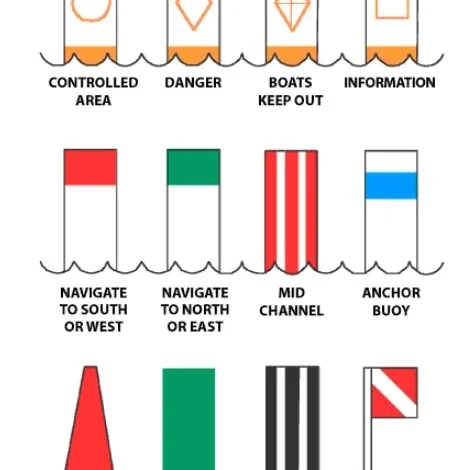
How to read marine navigational markers and buoys.
