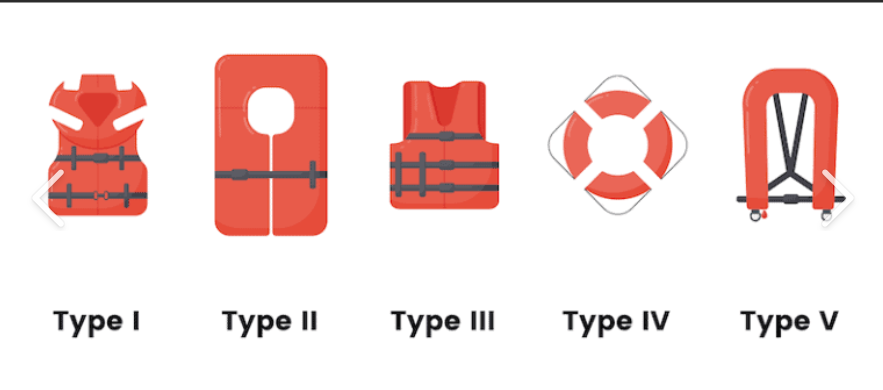
The difference in the life vest levels explained.
Life Vest Levels Explained (2025 Update)
The Complete Guide to the New U.S. Coast Guard Life Jacket Classification System
Beginning January 6, 2025, the U.S. Coast Guard (USCG) introduced a new labeling system for life jackets. The old “Type I, II, III, V” categories are being replaced with a clearer, more intuitive life vest level based system. This guide breaks down the differences between each life vest level, how they compare to the old types, and which one is best for your boating activities.
If you’re searching for the best life jacket for boating, kayaking, paddleboarding, or offshore use, this article will help you choose the right level with confidence. uscg.mil
Why the USCG Changed Life Jacket Types to Levels
The previous Type system confused many boaters. The new life jacket Level system:
- Aligns with international ISO standards
- Uses clearer icons and safety information
- Helps boaters match vests to real‑world conditions
- Improves consistency across brands and models
The goal is simple: make life jackets easier to understand and more likely to be worn.
Life Vest Levels (50, 70, 100, 150, 275) — What They Mean
Below is a breakdown of each USCG life jacket Level, including buoyancy, intended use, and old Type equivalents.
Level 50 – Active Use Buoyancy Aid
Best for:
- Paddleboarding
- Kayaking
- Canoeing
- Near‑shore recreation
Key Features:
- Lightweight and comfortable
- Designed for mobility
- Will NOT turn an unconscious person face‑up
- Comparable to old Type III life jackets
Ideal For:
Calm, controlled waters where rescue is quick.
Level 70 – General Boating Life Jacket
Best for:
- Recreational boating
- Watersports
- Day cruising
Key Features:
- Replaces most Type III vests
- Comfortable and easy to wear
- Not guaranteed to turn an unconscious person face‑up
Ideal For:
Everyday boating on lakes, rivers, and inland waters.
Level 100 – Basic Offshore Life Jacket
Best for:
- Near‑coastal cruising
- Moderate conditions
- Non‑swimmers
Key Features:
- More buoyancy than Level 70
- Offers some turning ability
- Similar to old Type II life jackets
Ideal For:
Situations where rescue may take longer or conditions may be rougher.
Level 150 – Offshore Life Jacket
Best for:
- Open ocean
- Offshore fishing
- Heavy weather
Key Features:
- Designed to turn most unconscious wearers face‑up
- High buoyancy keeps the head above water
- Equivalent to old Type I life jackets
Ideal For:
Offshore boating where rescue may be delayed.
Level 275 – Extreme Offshore / Commercial Life Jacket
Best for:
- Commercial vessels
- Harsh offshore environments
- When wearing heavy gear or tools
Key Features:
- Maximum buoyancy
- Designed for extreme conditions
- Keeps wearers face‑up even with heavy clothing
Ideal For:
Industrial and professional maritime operations.
Life Vest Level Comparison Chart (2025)
| Level | Old Type Equivalent | Face‑Up Turning Ability | Best For |
|---|---|---|---|
| 50 | Type III | No | Paddle sports, near‑shore |
| 70 | Type III | No | General boating |
| 100 | Type II | Some | Near‑coastal, moderate conditions |
| 150 | Type I | Yes | Offshore, rough water |
| 275 | Type I (commercial) | Yes | Extreme offshore, heavy gear |
How to Choose the Right Life Jacket Level
When selecting a life vest, consider:
1. Your boating environment
- Calm lake → Level 50 or 70
- Coastal waters → Level 100
- Offshore → Level 150+
2. Your swimming ability
Non‑swimmers benefit from higher buoyancy levels.
3. Expected rescue time
The farther you are from help, the higher the level you should choose.
4. Comfort and mobility
A life jacket only works if you wear it.
Final Thoughts
The new USCG life jacket level system makes it easier to choose the right vest for your boating style. Whether you’re paddling a kayak, cruising inland waters, or heading offshore, there’s a Level designed for your needs.